Bruce Wayne is not confident.
He's a child who watched his parents die and spent the rest of his life believing it was his fault.
That's where the story starts. Not with the cape. Not with the gadgets. With a boy who asked to leave the opera early because he was scared — and then watched his parents bleed out in an alley because of it.
Everything that comes after is built on that wound.
The Fear Underneath
Before the bats, before the training, before any of it — there was a boy who fell into a well.
He fell into darkness. Bats swarmed him. He screamed.
That fear never left. It just got buried. Layered over with guilt, with anger, with years of trying to outrun what he couldn't face.
Nolan understood this. The entire first film is about fear — not conquering it, but learning to live with it. To use it. To stop letting it use you.
"To manipulate the fear in others, you must first master your own."
Mastery doesn't mean absence. It means relationship.
The Years No One Talks About
After his parents died, Bruce Wayne disappeared.
Not into training. Not into purpose. Into nothing.
He wandered. He fought in illegal pits. He stole. He rotted in foreign prisons. He had no plan, no mission, no hope.
Just rage with nowhere to go.
This is the part people skip when they talk about Batman. The lost years. The years where he wasn't becoming anything — he was just surviving his own mind.
"I seek the means to fight injustice. To turn fear against those who prey on the fearful."
That line sounds heroic. But it came from a man who had already tried everything else. Who had hit bottom so many times the bottom started to feel like home.
Purpose didn't arrive as inspiration. It arrived as last resort.
Training Is Nothing
Ra's al Ghul taught Bruce Wayne to fight.
But the real training wasn't physical. It was learning to stop running.
"Training is nothing. Will is everything. The will to act."
Will isn't motivation. It's not wanting something badly enough. It's the decision to move when every part of you wants to stay still.
Bruce didn't become Batman because he felt ready. He became Batman because he decided to act before he was ready — and kept deciding, over and over, every time his body and mind told him to stop.
That's will. Not confidence. Not certainty. Just refusal to quit dressed up as a man in a cape.
Why Do We Fall
There's a line in the trilogy that gets quoted constantly:
"Why do we fall, Bruce? So we can learn to pick ourselves up."
It sounds like comfort. It's not.
It's a description of a life. A loop. A process that never ends.
Bruce Wayne falls in the first film — literally, into the well; figuratively, into despair. He picks himself up.
He falls in the second film — loses Rachel, loses Harvey, loses his faith in Gotham. He picks himself up.
He falls in the third film — spine broken, body destroyed, thrown into a pit with no way out. He picks himself up.
This isn't a hero's arc. It's a human one. The falling doesn't stop. The picking yourself up doesn't get easier. It just becomes what you do.
The climb never ends. You just get better at climbing.
The Pit
The third film gives Bruce his hardest test.
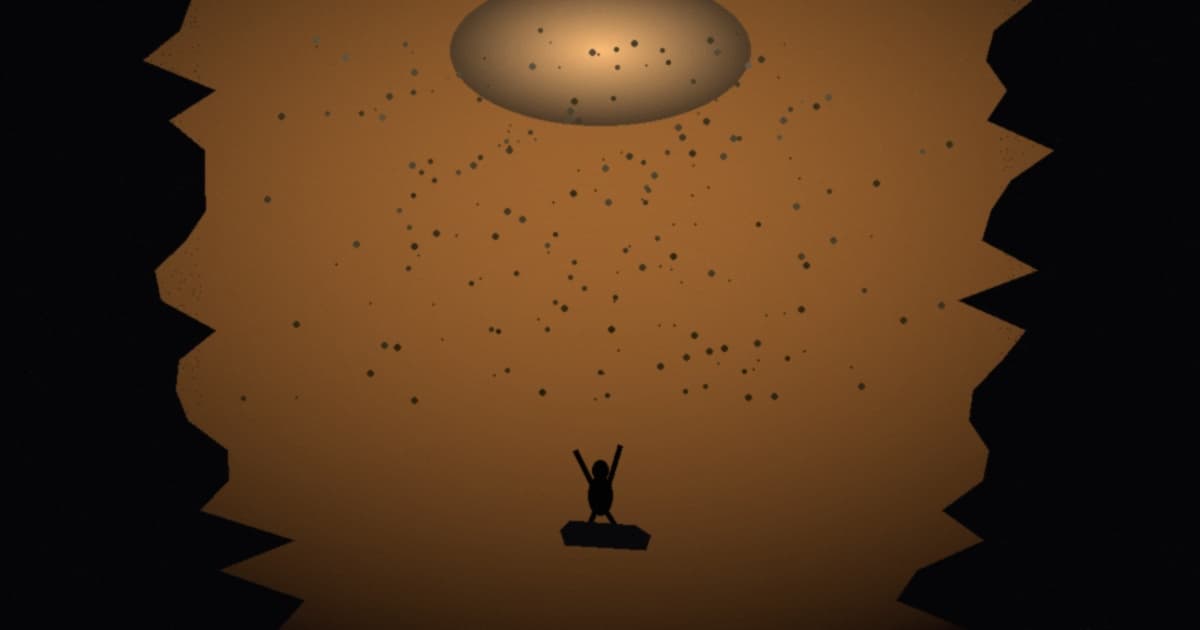
Bane breaks him. Not just his body — his spirit. He's thrown into a prison designed to torture hope. A pit with one way out: a climb so dangerous that grown men die attempting it, watched by those who've given up.
Bruce tries twice. Fails twice.
A blind prisoner finally tells him the truth:
"You do not fear death. You think this makes you strong. It makes you weak."
Bruce protests. He says he fears dying while his city burns.
The prisoner responds:
"Then make the climb. As the child did. Without the rope. Then fear will find you again."
Without the Rope
This is the moment that matters.
Bruce had been climbing with a safety rope. A backup. A way to fail without dying.
But the child who escaped — the only one who ever made it — climbed without the rope.
Not because she was braver. Because she had no choice. The fear of falling was real, and that fear gave her the strength to hold on.
Bruce removes the rope. He climbs. He falls at the final leap — and catches himself. Barely.
He rises.
The lesson isn't "believe in yourself." The lesson is: you need the fear. The fear of the fall is what makes you grip harder. The fear of failure is what makes you focus. Remove the safety net, and something in you wakes up that comfort had put to sleep.
It's What You Do
Rachel says it first, and Bruce echoes it later:
"It's not who I am underneath, but what I do that defines me."
This sounds like a platitude. It's not.
It's a rejection of the idea that you need to feel confident before you act. That you need to resolve your trauma before you can be useful. That you need to be whole before you can help.
Bruce Wayne is never whole. He's fractured from the first scene to the last. Guilt, fear, loss, doubt — they never leave him.
But he acts anyway.
And that action — not the healing, not the resolution — is what makes him who he is.
The Demons Stay
Here's what Nolan shows that most hero stories don't:
The demons don't go away.
Bruce doesn't "overcome" his trauma. He doesn't "beat" his fear. He doesn't reach a point where he's finally okay.
He just learns to function with the weight.
In The Dark Knight, he's exhausted, battered, questioning whether any of it matters.
In The Dark Knight Rises, he's a recluse. Broken body, broken spirit, hiding in a mansion, unable to move on from a woman who didn't even choose him.
This isn't failure. This is what it looks like to carry something heavy for a long time.
The work never ends. The weight never lifts. You just get stronger. Or you don't.
The Hero Every Place Needs
Bruce Wayne isn't special because he's rich or smart or strong.
He's special because he's broken — and he uses the breaking.
He turns his fear into a weapon. His guilt into motivation. His trauma into purpose.
Not by healing. By refusing to let the wound be the end of the story.
"A hero can be anyone. Even a man doing something as simple as putting a coat around a young boy's shoulders to let him know the world hadn't ended."
That's the final lesson.
You don't need to be unbroken. You don't need to be confident. You don't need to have your life together.
You just need to act — in whatever small way you can — for someone who needs it.
The rest is just falling and getting back up.
What This Actually Means
If you're reading this and you recognize yourself in Bruce Wayne — not the cape, but the fear, the doubt, the years of feeling lost — then here's what Nolan is saying to you:
You're not disqualified. Your trauma doesn't make you weak. Your self-doubt doesn't make you unfit. Your demons don't make you less capable of doing something that matters. They make you more capable. Because you know what it costs. Because you've already survived things that should have stopped you.
The climb is hard. The fall is real. The rope is a lie.
But you can rise.
Not because you're confident.
Because you decide to.
"Why do we fall?"
So we can learn to pick ourselves up.
Again.
And again.
And again.