In Part 1, we talked about Harry, Hermione, and Ron — the trio at the centre of the story. The boy who survived the cupboard. The girl who chose to stay. The friend who came back.
But the magic of Harry Potter isn't just in the three of them. It's in the people who surround them — flawed, broken, burdened — who show up anyway.
What the Patronus Actually Means
The Patronus Charm is the most powerful defensive spell in the wizarding world. It repels Dementors — creatures that feed on happiness and leave only despair.
But here's what matters: the spell runs on memory — not anger, not force. Just the warmest thing you can hold onto.
To cast a Patronus, you have to summon the happiest memory you have — something so real and so warm that it becomes a shield against the dark.
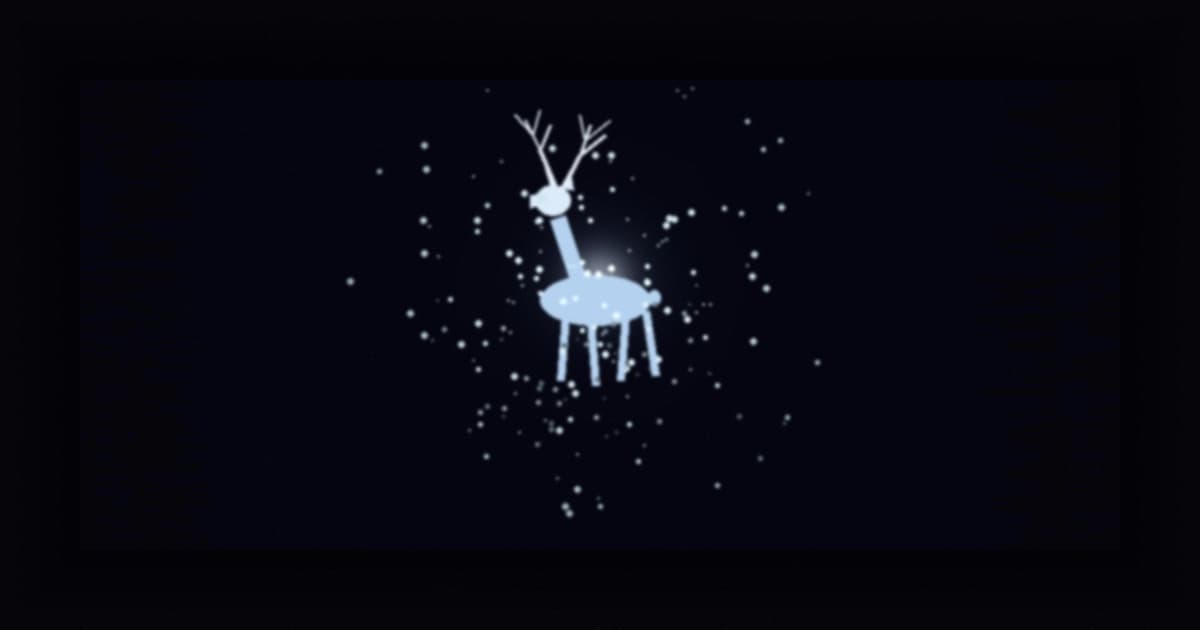
Harry's Patronus is a stag. His father's form. The man he never knew, present in the one spell that saves his life over and over.
"Expecto Patronum" — I await a protector.
The protector was always inside you. The people who loved you, the moments that mattered, the joy you thought was gone but never really was — all of it, still there, still warm enough to cast.
Your happiest memory is a weapon. The people who loved you are still protecting you.
The Parents Who Never Left
Harry's parents died when he was a baby. He has no memory of them. No voice recordings. No videos. Just stories from people who knew them, and a photo album that someone thought to save.
And yet they're everywhere.
His mother's sacrifice lives in his skin — literally protecting him from Voldemort's touch. His father's friends become his family. His Patronus carries his father's shape.
This is the quiet truth of loss: the people we lose don't disappear. They become part of how we move through the world. Their choices echo in ours. Their love shows up in unexpected moments — a spell, a mirror, a stag made of light.
You don't have to remember someone to carry them.
Sirius Black
Then there's Sirius.
Wrongly imprisoned for twelve years. Escaped from Azkaban — the only person ever to do it — not through power, but through love. He turned into a dog to survive the Dementors, because animals feel less, and his human mind would have broken.
But he didn't escape for himself. He escaped because he saw a photograph in a newspaper and recognized the rat who betrayed Harry's parents.
Sirius as a godfather is reckless, traumatized, sometimes more friend than guardian. But he offers Harry something no one else can: a connection to his parents that isn't filtered through pity or legend.
He offers belonging.
"You're not a bad person. You're a very good person, who bad things have happened to."
That's Sirius. That's what he sees in Harry, because it's what he knows about himself.
Gary Oldman plays him like a man who's been holding his breath for twelve years and finally exhales. Wild-eyed, desperate, gentle. Broken and somehow still standing.
There's a reason Sirius resonates. He's the family that shows up late — damaged, imperfect, but there. The family that chooses you when blood failed.
Dumbledore's Burden
Dumbledore is supposed to be the wise old mentor. The one with the answers. The one who sees further than anyone else. And sometimes he does — but mostly he's a man carrying the weight of every wrong turn he ever took.
He's a man who made terrible mistakes when he was young — mistakes that cost him his sister. He spent the rest of his life trying to be worthy of the trust people placed in him, knowing he'd failed before.
He keeps secrets. He manipulates. He raises Harry knowing the boy will have to die.
And he does it anyway. Because he's seen what happens when good people do nothing, and he's decided that carrying the weight — even the guilt — is better than letting someone else break under it.
"It does not do to dwell on dreams and forget to live."
That's Dumbledore. A man who knows exactly how easy it is to get lost in what could have been. Who says it because he's lived it.
The Dementors
They don't have faces. They don't have names. They don't speak.
They just arrive — tall, hooded, rattling — and the temperature drops. The light dims. Every happy memory you've ever had drains out of you like warmth from an open wound.
Dementors are the most honest monsters in fiction — because the thing they represent isn't evil. It's depression.
J.K. Rowling said it herself — she wrote them from experience. That slow, suffocating erasure of joy. The feeling that happiness was something that happened to other people, in another life, and you just imagined it.
They don't kill you. That's the cruelty. They leave you alive — hollow, grey, breathing but not living. A body with nothing left inside worth saving.
The Dementor's Kiss doesn't take your life. It takes your soul. And if you've ever sat in a room full of people and felt completely alone — if you've ever forgotten what it felt like to care about anything — you know exactly what that means.
Here's what matters: they can be fought. The only weapon that works is joy.
The Patronus — that spell made of your happiest memory — is the one thing that pushes the dark back. You fight the void by remembering that light exists. And something about that feels earned, feels real, in a way most fantasy never bothers with.
But here's the part nobody talks about: the fight is daily.
Depression doesn't announce itself with a single dramatic moment. It moves in slowly — a Tuesday where you can't get out of bed, a Wednesday where food has no taste, a Thursday where someone asks "how are you?" and you say "fine" because the real answer would take an hour and they'd never look at you the same way again.
The Dementors circle the school all year in Prisoner of Azkaban. All year. Harry doesn't fight them once and move on. He practises the Patronus Charm again and again in an empty classroom with Professor Lupin, failing more than he succeeds — collapsing, waking up, trying again. Some days the memory isn't strong enough. Some days the light barely flickers before it dies.
That's what recovery actually looks like. You show up on the days it doesn't work. You cast the spell knowing it might not hold. You do it anyway, because the alternative is standing still while the cold takes everything.
The people who fight depression every day aren't the ones who defeated it once. They're the ones who keep showing up — Monday after Monday, spell after spell — even when the Patronus is barely a wisp of silver smoke.
And then, quietly, something shifts.
Think about how Prisoner of Azkaban ends. Buckbeak — the hippogriff sentenced to death for a crime that was really just Draco's arrogance — is rescued. Sirius Black, hunted by every wizard in the world, escapes on Buckbeak's back into the night sky. Two beings the world had given up on, both written off, both supposedly out of time.
And they fly.
The execution happened. The Dementors closed in. Everything pointed to the worst possible ending. But Harry and Hermione went back — literally turned back time — and changed the outcome. They didn't change it with raw power or cleverness. They changed it because they believed, against every visible piece of evidence, that it could still turn out okay.
That's the thing about staying in the fight. You don't see the rescue coming. You don't know which Tuesday the fog will lift. You don't know which attempt at the spell will finally produce a stag made of pure light that sends every last Dementor screaming across the lake.
But it comes. If you stay.
Sirius flies free on a creature the world condemned. Harry saves his godfather with a spell powered by a memory of parents he never met. And somewhere in an empty classroom, a boy who kept failing at the same charm over and over finally casts it strong enough to save everyone he loves.
You don't know which day the fog lifts. You just have to keep showing up until it does.
The Dementors never go away in the story. They're always out there, circling, waiting. Controlled for a while, then set loose again.
Just like the real thing.
But every time they come back, you still have the spell. The memory. The people who remind you that the cold isn't all there is. And maybe — if you keep casting, keep holding on — your Buckbeak moment is closer than you think. The impossible rescue. The flight into the open sky.
You just have to stay long enough to see it.
They're still out there — the Patronuses, the parents, the people who chose you.
Part 3 is coming.